Heat Treatment as the Ultimate Solution for Bed Bugs: Importance and Key Advantages
Bed bugs have emerged as a widespread concern in countless residences, causing significant discomfort and anxiety. Traditional pest control methods often fall short, allowing hardy populations to survive. Heat treatment offers a compelling alternative, successfully eliminating every life cycle of bed bugs in one treatment. This approach not only eradicates pests but also tackles health and ecological considerations. Understanding the nuances of heat treatment reveals why it stands out among pest control options. What sets it apart as such a reliable solution?
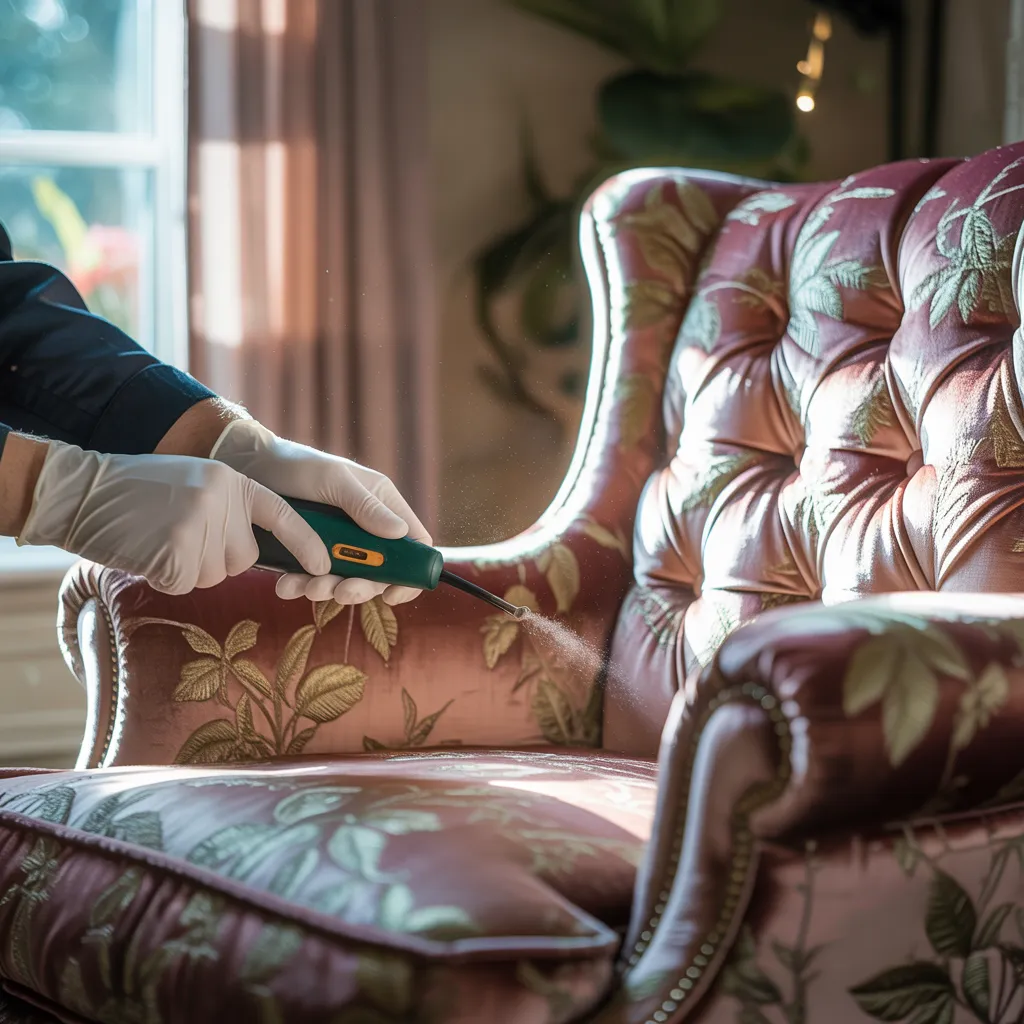
The Relentless Threat of Bed Bugs
Even though bed bugs were once almost completely wiped out, they have experienced a notable comeback in recent years, becoming a persistent problem for many households and businesses. These diminutive, reddish-brown bugs are well known for their capacity to breed fast and adjust to a wide range of conditions. Their comeback is primarily linked to rising worldwide travel activity, allowing them to hitch rides on luggage and clothing.
After they invade an area, bed bugs are hard to get rid of, frequently necessitating expert assistance. These pests are night-dwelling insects that survive on human blood, causing distress and unease among those impacted. A bed bug infestation can also damage a company's reputation, most notably in the hospitality and lodging industry, where delivering an exceptional guest experience is critical. Even though bed bugs are small, the effects of an infestation can be far-reaching, leading to financial loss and emotional distress, highlighting the critical importance of prompt and effective solutions.
How Does Heat Treatment Get Rid of Bed Bugs?
Heat treatment effectively eradicates bed bugs by treating them with extreme temperatures beyond their tolerance. Usually, temperatures of 120°F to 140°F are applied to achieve thorough extermination. When bed bugs are subjected to these elevated temperatures, their physiological systems are impaired, leading to dehydration and ultimately death.
Thermal energy penetrates numerous items, including furniture, carpets, and mattresses, guaranteeing that even hidden bed bugs and their eggs are eliminated. This technique is effective because it eliminates all life stages of bed bugs, from larvae to mature adults.
Compared to chemical treatments, which often leave harmful residues and require multiple applications, heat treatment provides a more direct solution. Additionally, it eliminates the need for toxic substances, making it a healthier alternative for households and environments, especially those with young children or animals. Overall, heat treatment stands out as a thorough approach for eliminating bed bugs.
Primary Advantages of Thermal Treatment for Bed Bug Removal
Removing bed bugs with heat treatment delivers several strengths that make it superior to traditional pest control approaches. A key advantage is its efficacy; heat treatment can eliminate each life stage of bed bugs, including egg deposits, in a one session. In contrast to chemical treatments, which can necessitate multiple treatments and can result in resistant professional guide populations, heat treatment ensures consistent results.
In addition, the process is time-saving, generally demanding only a short time to accomplish full eradication, enabling occupants to return to their spaces without delay.
Heat treatment is also non-invasive, as it eliminates the need for chemical residues, making it ideal for sensitive environments such as residences with children or pets. Additionally, it decreases the chance of reinfestation, as thorough heating can penetrate furniture and walls, eliminating hidden bugs. In summary, these advantages make heat treatment an excellent choice for effective bed bug elimination.
Sustainable Benefits of Heat Treatment
Thermal treatment for bed bugs provides a non-chemical alternative to traditional pest control methods. This technique not only effectively eliminates infestations but also substantially minimizes toxic waste associated with chemical treatments. As a result, it offers a greener alternative for addressing pest problems.
Chemical-Free Pest Control
More and more homeowners are seeking reliable pest control methods that focus on environmental responsibility. Heat treatment stands out as a pesticide-free option that effectively eradicates bed bugs while avoiding harmful pesticides. This method utilizes high temperatures to permeate furniture, carpets, and walls, guaranteeing complete pest removal. By selecting heat treatment, homeowners can shield their households and pets from the possible health hazards associated with chemical residues. Moreover, this environmentally conscious method lessens the environmental burden often linked to traditional pest control methods. With increasing awareness of sustainability, heat treatment provides an effective option for those focused on sustaining a safe and comfortable household while successfully controlling pest infestations.
Reduces Toxic Waste
Choosing heat treatment for bed bug elimination markedly reduces chemical waste generated by traditional pest control techniques. In contrast to chemical sprays and pesticides, which often produce harmful residues, heat treatment uses high temperatures to efficiently eradicate bed bugs and their eggs without adding hazardous materials into the environment. This method not only limits the risk of chemical exposure to humans and pets but also promotes a healthier ecosystem. As heat reaches into furniture and walls, it provides thorough pest elimination without the need for extra toxic substances. Consequently, adopting heat treatment complements eco-friendly practices, promoting sustainability while preserving public health. By embracing this approach, individuals can effectively contribute to reducing their environmental burden while effectively addressing bed bug infestations.
What Can You Expect During Heat Treatment?
During bed bug heat treatment, thorough preparation is key to guarantee both safety and efficacy. Residents should be prepared to follow particular instructions before the treatment begins, as well as participate in a follow-up after treatment to observe the results. Being aware of these steps can improve the overall outcome and efficiency of the treatment process.
Pre-Treatment Preparation
Before undergoing heat treatment for bed bugs, homeowners should be well-prepared to guarantee the process is effective. This readiness requires clearing all belongings from the treatment area, such as clothing, toys, and electronics, to avoid harm caused by high temperatures. It is also essential to remove clutter, as this promotes improved airflow and ensures that heat reaches all concealed areas effectively. Homeowners should vacuum thoroughly to get rid of any visible bugs and their eggs, sealing the vacuum bag tightly afterward. Additionally, pets should be relocated temporarily to guarantee their protection. Finally, it is essential to discuss any particular concerns or problem areas with the heat treatment professionals, guaranteeing a focused and effective method to resolving the bed bug problem.
Follow-Up After Treatment
After thorough preparation, homeowners can expect a detailed process during the thermal treatment for bed bugs. The treatment typically lasts several hours, during which professional equipment elevates the temperature in affected spaces to a lethal level for the pests. Technicians closely track the environment to confirm even heat distribution, addressing every potential refuge for pests. Following treatment, it is critical for homeowners to hold off on returning belongings until the treated space has cooled down completely. A follow-up inspection may be organized to confirm the elimination of bed bugs. Homeowners should continue to be watchful for any evidence of a comeback and can seek expert advice for additional measures if required. This proactive approach enhances the lasting efficacy of the heat treatment.
How to Prepare Your Home for Heat Treatment
Preparing for heat treatment is crucial to enhance its efficacy against bed bugs. Property owners should commence by decluttering rooms, taking items off floors, and ensuring that areas are reachable to the professionals. It is suggested to clean and dry bedding, curtains, and clothing on high temperature settings to eliminate any hidden bugs or eggs. Household furniture should be moved away from walls, and electric outlets should be cleared to facilitate ideal heat dispersal.
Moreover, pets should be relocated for their protection, and plants could need to be repositioned or protected. Residents must additionally take away any perishable items from the area to avoid spoilage. It is critical to alert the professional heat treatment team about any notable concerns, such as previous infestations or sensitive items. Completing these preparatory measures not only assures a complete treatment process but also improves the probability of total bed bug removal.
Questions We Often Receive
How Much Time Does Heat Treatment Usually Take to Finish?
Bed bug heat treatment usually requires between six to eight hours to be completed. The time required may differ depending on the infestation's severity and the size of the area being treated, guaranteeing the appropriate heat level reaches all impacted areas.
Can Heat Treatment Be Safely Used Around Pets and Children?
Thermal heat treatment is commonly safe for both pets and children when performed correctly. Trained specialists confirm that the area is carefully monitored, limiting any dangers. However, it is recommended to remove pets and children during the heat treatment procedure for additional peace of mind.
Can Heat Treatment Damage My Furniture or Belongings?
Heat treatment usually does not affect furniture or belongings when properly monitored. Nevertheless, vulnerable items such as certain fabrics or electronics could be at risk. It's advisable to seek professional advice for guidance tailored to your specific situation.
Will Heat Treatment Prevent Future Bed Bug Infestations?
Heat treatment successfully eradicates current bed bug infestations but does not guarantee prevention of future infestations. Ongoing surveillance and preventative steps, like scheduled inspections and preserving a clean environment, are critical for sustained bed bug management.
How Much Does Heat Treatment Usually Cost?
Heat treatment for bed bugs typically costs anywhere from $1,000 up to $2,500, depending on the infestation's severity and property size. Factors such as location and service provider may also influence the overall pricing.